
Module 4 · Perioperative services pathway
Operating Room, Anesthesia Suite, and Sterile Processing
Follow Jordan and Camila through a careful readiness check, a realistic student week, and a fictional procedure-day workflow. Explore how quiet preparation, sterile awareness, clear communication, and teamwork help a room become ready.
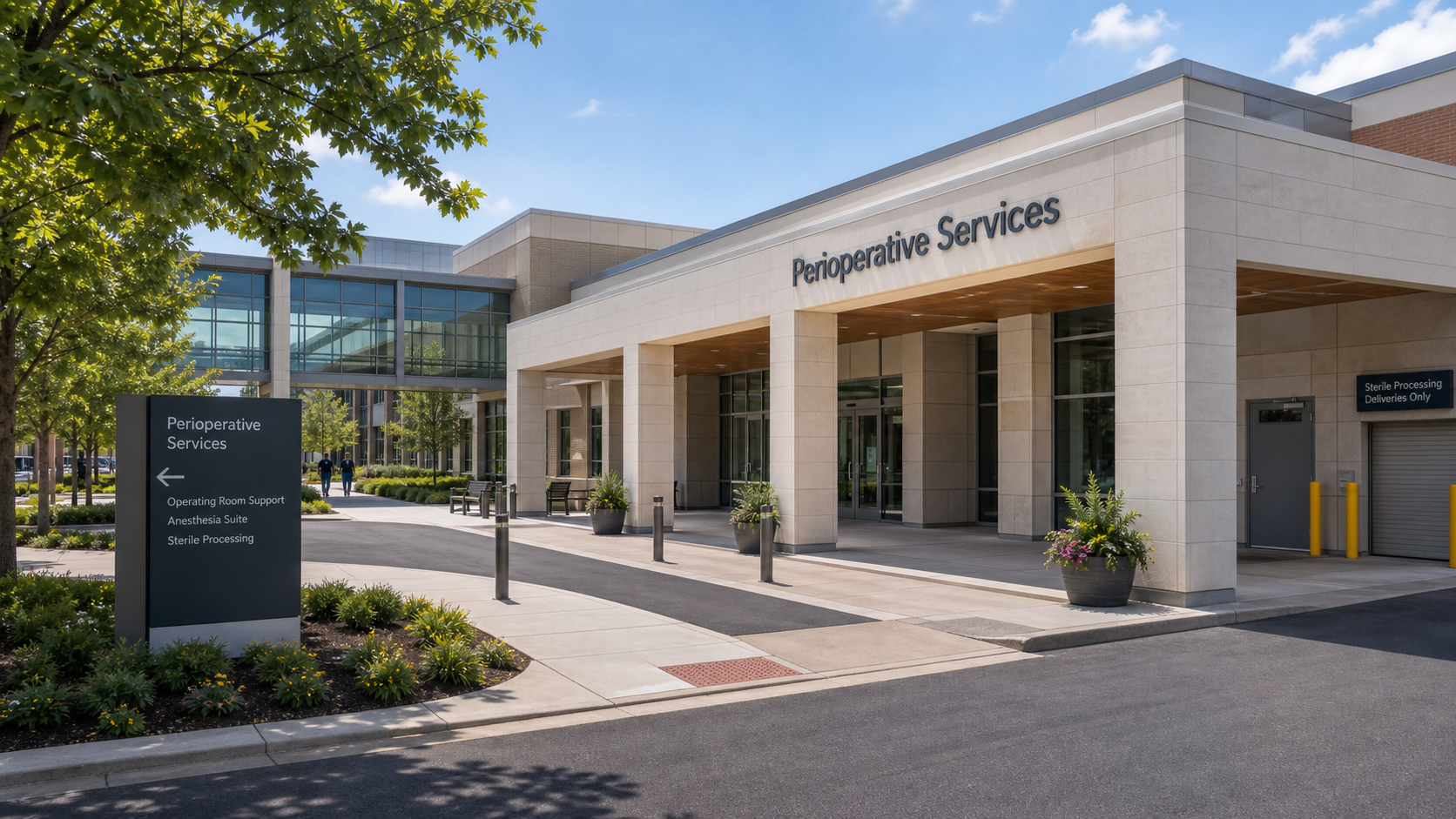
Meet Perioperative Services
The final video will introduce Jordan, Camila, the perioperative team, and the module story. It will not autoplay.
How this module works
The story question
In this fictional CareTown case, a scheduled procedure is getting closer. Jordan checks anesthesia equipment and supplies, then coordinates with the operating room and sterile processing teams before the patient arrives. Students will practice observation, preparation, communication, teamwork, and escalation—not sterile processing, equipment operation, anesthesia, or patient care.
What you will explore
One connected team
Compare surgical technology, sterile processing, anesthesia technology, and other operating room support roles without treating them as the same job.
Training and readiness
Build a sample student week with anatomy, sterile technique practice, skills lab, study, travel, clinical exposure, and support.
Workflow and fit
Try a safe readiness scenario, notice rewarding and difficult parts, and choose yes, maybe, or not right now.
Who you will meet
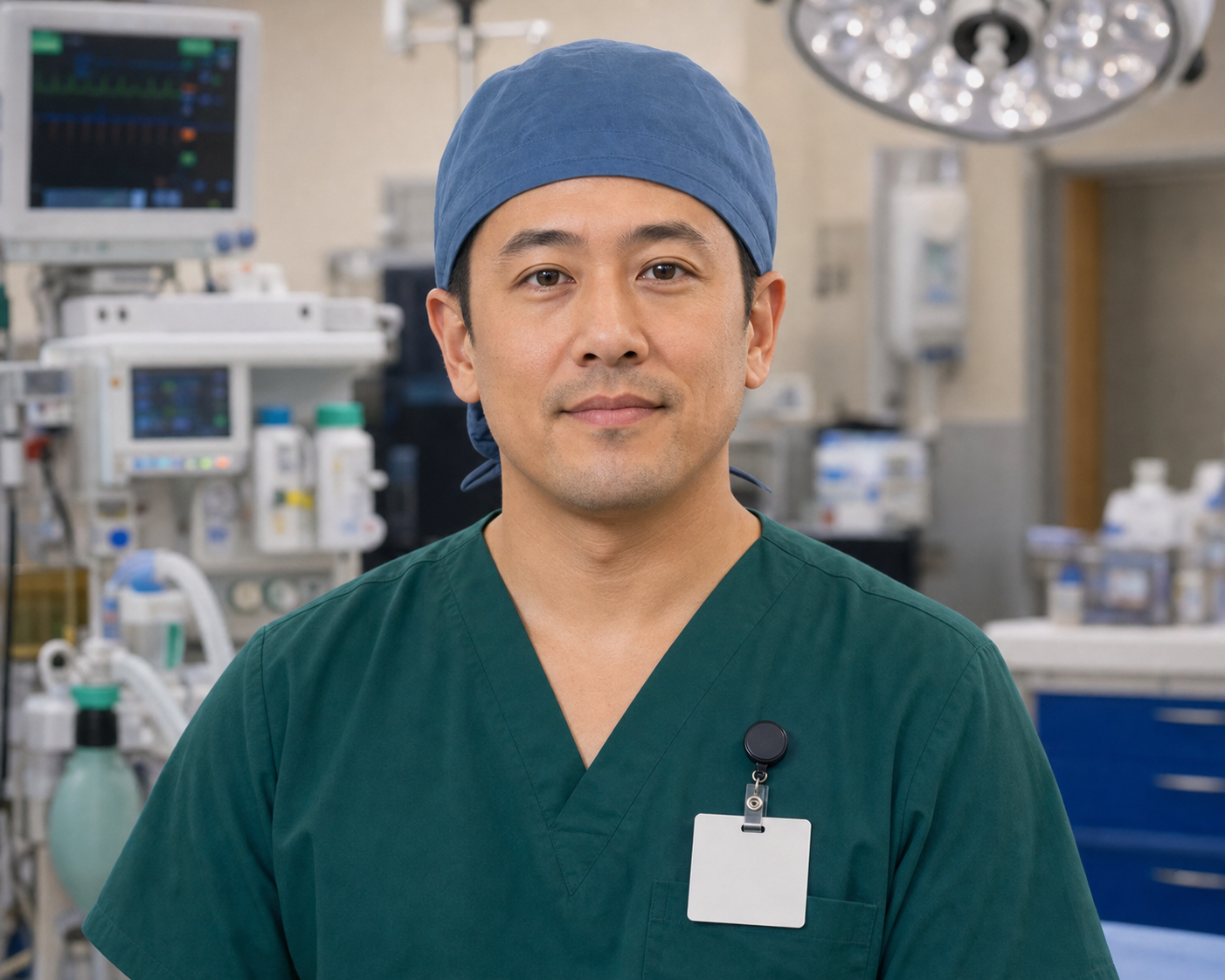
Jordan Lee
Jordan is an anesthesia technologist. They are methodical, composed, and good at catching readiness questions early. They know that quiet preparation matters.

Camila Reed
Camila is a perioperative services student. She likes hands-on practice and wants to know why each step matters. She is learning to slow down and check her work.
Four units in this module
Enter Perioperative Services
Meet the operating room team and explore surgical services, sterile processing, anesthesia technology, preparation, safety, and teamwork.
Week in the Life of a Perioperative Services Student
Follow Camila through anatomy, equipment practice, sterile technique, skills lab, clinical exposure, study, and readiness habits.
Week in the Life of Perioperative Services Work
Explore equipment checks, sterile field awareness, instrument flow, supply readiness, communication, shifts, and escalation.
Perioperative Services Fit Check
Compare your interests, detail habits, comfort with the setting, teamwork, physical demands, practical needs, and next questions.
Perioperative roles quick guide
Surgical technologist
Surgical technologists help prepare operating rooms and supplies and support the surgical team within their training, supervision, and employer procedures. Exact duties and credential expectations vary.
Sterile processing technician
Sterile processing teams handle reusable instruments through approved cleaning, inspection, assembly, packaging, sterilization, storage, and distribution systems. Training and certification expectations vary.
Anesthesia technologist
Anesthesia technologists support the readiness of anesthesia equipment and supplies and work under the direction of anesthesia providers and the care team. Programs and employers set current preparation requirements.
Ready before arrival
These roles are different, but they share careful preparation, clear checklists, infection-prevention steps, communication, role boundaries, and escalation when something is not ready.
Activity lineup
Perioperative Roles Quick Guide
Compare surgical technology, sterile processing, anesthesia technology, and the shared readiness habits that connect the team.
Perioperative Team and Workflow Map
Place room, supply, instrument, anesthesia, and communication cards with the role or workflow stage that should handle them. Mark one handoff point.
Build Camila's Training Week
Arrange anatomy, sterile technique practice, skills lab, study, travel, life needs, clinical exposure, and rest. Mark one pressure point and one support.
Before the Room Is Ready
While listening, write three to five keywords, one idea you want to remember, and one question. Circle one word to discuss or reflect on.
Jordan's Readiness Check
Make five career-exploration choices about preparation, exact observations, sterile awareness, communication, role boundaries, and escalation.
Room Readiness Huddle
Use four boxes to name the work zone, what is confirmed, what is still open, and which trained team member needs the update.
Perioperative Services Fit Check
Notice how you feel about careful routines, sterile spaces, teamwork, pressure, standing, protective clothing, schedules, and speaking up. All fit responses are valid.
Career Passport Reflection
Record one interesting part, one challenge, one role you want to compare, your current fit response, and one next question for a program, employer, counselor, or professional.
Podcast transcript
Use this text alternative for Before the Room Is Ready.
Read the complete podcast transcript
Welcome to the CareTown Operating Room, Anesthesia Suite, and Sterile Processing area.
My name is Jordan Lee. I am a fictional CareTown anesthesia technologist. The career I help you explore is real, but this story is not a real procedure and it is not anesthesia, sterile-processing, equipment, or patient-care training.
When people picture an operating room, they may picture the moment a procedure begins.
I picture the work that must happen before the room is ready.
As you listen, keep your Podcast Keyword Catcher nearby. Notice words that describe readiness, teamwork, and professional boundaries.
A scheduled procedure is getting closer. The room is quiet, but the readiness work is active. Team members review approved schedules and status information. They check that required work has moved through the proper process. They communicate about what is confirmed and what is still open.
Perioperative services connect several careers.
Surgical technologists help prepare operating rooms and supplies and support the surgical team within their training, supervision, and employer procedures. Sterile processing technicians move reusable instruments through approved decontamination, preparation, sterilization, storage, and distribution systems. Anesthesia technologists support anesthesia equipment and supply readiness under the direction of anesthesia providers and the care team.
These roles work in a connected system. They are not the same job, and they are not an automatic career ladder.
In our fictional CareTown story, I review a generic room-readiness record. Most lines show a confirmed status. One line is still open.
I do not decide that the open line is probably fine. I do not operate equipment to investigate. I do not open a sealed item or judge whether something is sterile.
I identify the exact line, keep its open status visible, and contact the trained team member who can resolve it.
Preparation is not about one person proving they can remember everything. It is about making the work visible enough for the team to act.
Camila Reed is a perioperative services student in CareTown. Camila likes hands-on work and technology. At first, she thought readiness meant moving quickly and knowing the next step without asking.
She is learning a different rhythm: observe, confirm, protect the boundary, communicate the open question, and wait for the qualified response.
Camila watches me keep the update short enough to hand off: Which work zone is involved? What exact status is confirmed? What is still open? Which trained person needs the update before the workflow continues?
That structure does not teach her how to use equipment or perform a procedure. It teaches her how careful communication supports readiness.
The update may connect with other team members. A registered nurse may update the shared handoff information. An imaging professional may confirm that requested information is available. A respiratory therapist may communicate about the status of respiratory support equipment. A pharmacy technician may route a pharmacist-reviewed status update through an approved channel.
Each professional stays within a role. No one assumes that another person completed an open step.
No one person makes the room ready alone.
When the question reaches the right team member, that person follows the current process. The record is updated when appropriate, and the team confirms whether the workflow can move forward. The important part is not a dramatic rescue. It is that an open item stayed visible long enough to receive the right review.
After one room is ready, the work continues. There may be another room, another supply request, documentation, restocking, equipment-status communication, or a handoff to the next shift.
Some perioperative jobs include early starts, evenings, nights, weekends, holidays, call, or changing schedules. Work may involve standing, protective clothing, repeated checks, noise, time pressure, and difficult situations. There may be little room for skipped steps even when the team is tired.
The work can feel meaningful. Some people value precise preparation, hands-on teamwork, technology, and knowing that behind-the-scenes work supports the care team.
Meaningful does not mean easy.
Different roles and employers have different physical demands, technical standards, and support options. A disability does not automatically decide whether someone fits. Students can ask a program or employer about actual duties, clinical expectations, support, and reasonable accommodations.
Camila’s training week also includes more than skills lab. Depending on the exact pathway, she may study anatomy, learn sterile-technique concepts, build equipment awareness, practice supervised readiness habits, prepare for assessments, and participate in clinical exposure. Her week may also include travel, attendance, health or background requirements, meals, study, work, family responsibilities, and rest.
Surgical technology, sterile processing, and anesthesia technology do not share one universal education or credential route. Program requirements, certifications, employer expectations, and any state requirements differ by role and may change. A current program, credential organization, employer, and state source are better planning tools than an old screenshot or a general promise.
San Bernardino County’s surgical technician class description and Riverside County’s anesthesiology technician class description are real regional examples students may investigate. They describe particular employers, not every job. They are not job openings, hiring promises, CareTown roles, or permanent requirements. Compare current descriptions with current program and credential information before making a plan.
You do not need to decide today.
Maybe you like detailed routines and team-based work. Maybe you want to compare a role inside the operating room with one in sterile processing. Maybe the environment, schedule, training, or physical demands raise questions. Maybe another pathway fits better.
Yes, maybe, and not right now can all be useful answers.
As you complete your Podcast Keyword Catcher, write three to five words from this episode. Maybe your words include ready, exact, open, boundary, handoff, or team.
Circle one word. Write one idea you want to remember, then add one question you would take to a program, surgical technologist, sterile processing technician, anesthesia technologist, credential organization, employer, or counselor.
The room may look quiet before a procedure.
That quiet is full of careful work.
Choice 1 of 5
Jordan's Readiness Check
Room Readiness Huddle
Meaningful does not mean easy
What can feel rewarding
Students may value hands-on teamwork, useful routines, technology, precise preparation, and knowing that behind-the-scenes readiness supports the whole care team.
What may be challenging
The work may include standing, protective clothing, repeated checks, time pressure, changing schedules, call or off-hour work, noise, difficult situations, and little room for skipped steps.
What to ask
Ask a program or employer about duties, supervision, schedules, technical standards, clinical learning, health and background requirements, costs, support, and reasonable accommodations.
Regional examples to verify
San Bernardino County Surgical Technician
This class description shows one regional employer's example of operating room preparation, sterile technique, instruments, teamwork, and a stated certification requirement. Check the current description and any actual job announcement separately.
Riverside County Anesthesiology Technician
This class description shows one regional employer's example of anesthesia equipment and supply readiness under supervision. It does not define every employer's duties or entry route.